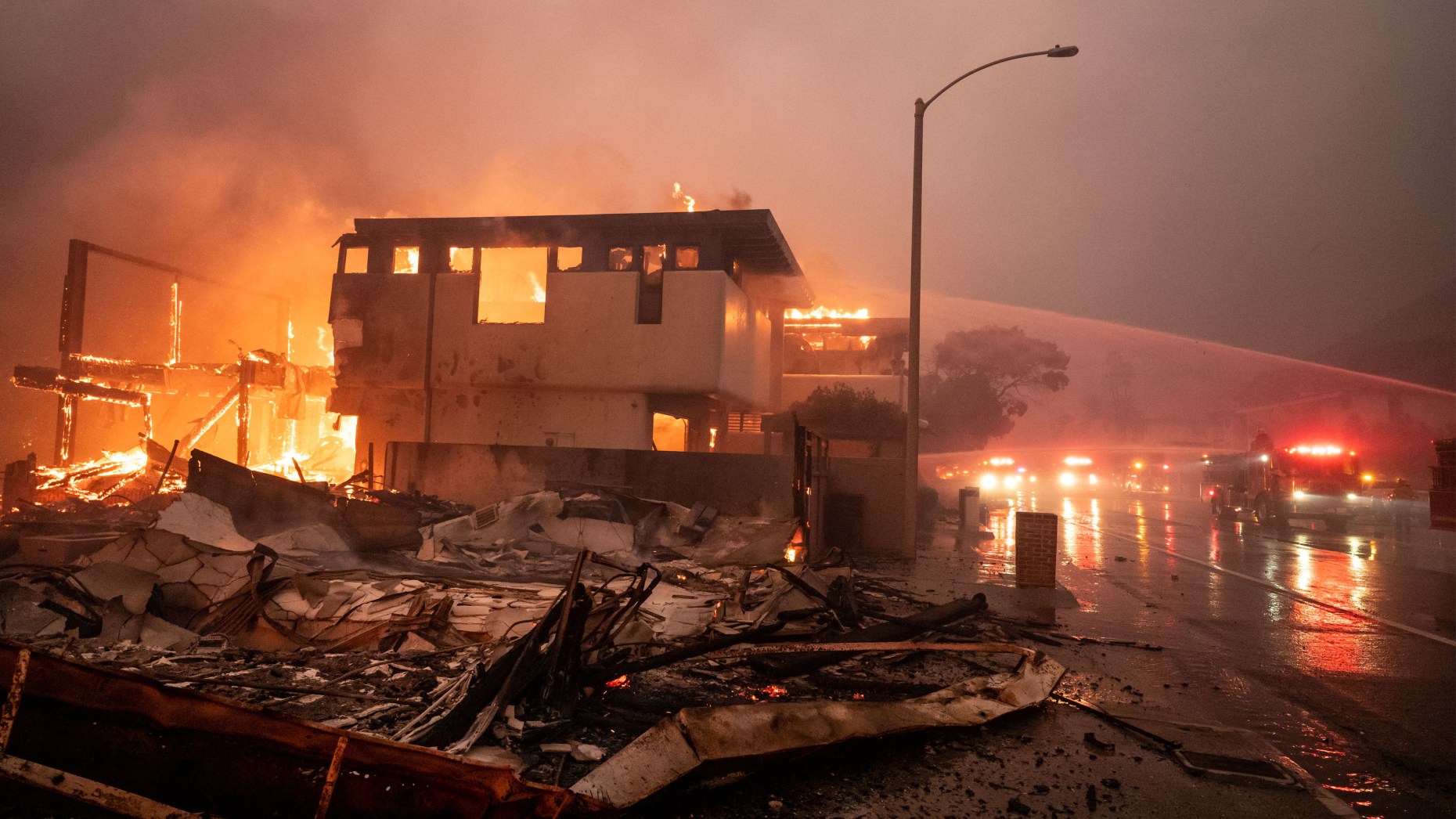
A wildfire emergency has drawn attention in Sleepy Creek, Colorado, as firefighters reportedly respond to a large blaze and work to protect nearby communities, natural areas, and residents. The reported fire has prompted concerns as emergency crews continue assessing conditions and managing the situation.
Wildfires in Colorado can develop rapidly, especially during periods of dry weather, strong winds, and high temperatures. Fire officials often face challenging conditions when flames move through forests, grasslands, and brush areas, requiring coordinated efforts from ground crews, emergency personnel, and aviation resources.
Reports of the Sleepy Creek Fire have led to increased awareness among residents and visitors in the area. Firefighters responding to wildfire incidents typically focus on establishing containment lines, protecting structures, monitoring fire behavior, and preventing further spread.
The response may involve multiple agencies working together, including local fire departments, wildland firefighting crews, emergency management teams, and other support personnel. Their efforts are aimed at reducing risks to communities while bringing the fire under control.
Colorado has experienced numerous significant wildfire events in recent years, with firefighters frequently battling fast-moving flames fueled by dry vegetation and difficult weather conditions. Major wildfire responses across the state have included large numbers of personnel, evacuation operations, and aerial firefighting support to slow fire growth.
Residents near wildfire areas are encouraged to remain alert, follow official emergency notifications, and prepare for possible changes in conditions. Authorities often recommend keeping emergency supplies available, maintaining communication devices, and having evacuation plans ready when fires threaten populated areas.
Smoke from wildfires can also create health concerns, even for communities located away from the immediate flames. Residents experiencing poor air quality are advised to limit outdoor exposure when smoke levels increase and follow guidance from local health officials.
Fire investigators will typically examine several factors when determining the cause of a wildfire, including weather patterns, human activity, equipment use, and possible ignition sources. However, official findings are usually released only after investigations are completed.
The Sleepy Creek Fire response highlights the ongoing challenges Colorado communities face during wildfire season. Firefighters continue working under demanding conditions to protect lives, property, and the environment while emergency officials provide updates as more information becomes available.
At this time, details regarding the exact size of the Sleepy Creek Fire, containment percentage, cause, evacuations, injuries, property damage, and the number of firefighters assigned have not been fully confirmed.
Residents and travelers are encouraged to avoid affected areas, follow road closure information, and rely on verified updates from emergency authorities rather than unconfirmed social media reports.
The dedication of firefighters and first responders remains critical during wildfire emergencies. Their continued efforts help protect communities and reduce the impact of dangerous fire conditions across Colorado.
Further updates regarding the Sleepy Creek Fire, firefighting operations, evacuation notices, and community safety information will depend on official announcements from authorities as the situation develops.